Crowd-sourcing help wanted, please
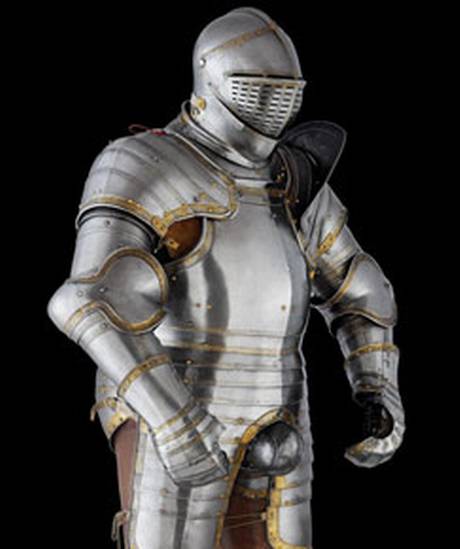 I assume you are all familiar with the news story about the U.S. Army’s decision to apologize for and delete a tweet with the phrase “chinks in armor,” one that refers to the vulnerable points in old-fashioned metal armor, but that is now deemed racist because of the word “chink.”
That story reminded me of the time my father got taken to task for using the word “niggardly.” It means “stingy,” and goes back in time to the mid-16th century. It has nothing to do with the insulting American term for a black person. Nevertheless, people don’t use the word anymore because they can be assured that someone will take offense at the fact that the word sounds sort of like an insult.
Also, back in the 1980s, an Asian California Appellate Court judge told lawyers to stop using the phrase “Chinese wall” to refer to figuratively sealing off people in a law firm who were in possession of information that no one else in the firm should have (or who were not supposed to have information that everyone else in the firm already had). The expression quite clearly derives from the Great Wall of China, which was built to be an impregnable bulwark. The judge, however, felt that the mere use of the word “Chinese” made the phrase — an homage to China’s ancient construction and engineering prowess — was racist.
So, a question for you: What innocuous words and phrases have become untouchable because they sound like something genuinely offensive or have simply been taken to be offensive when they’re manifestly not?