Did Phil Robertson pave the way for a free speech rebellion amongst the most unlikely people?
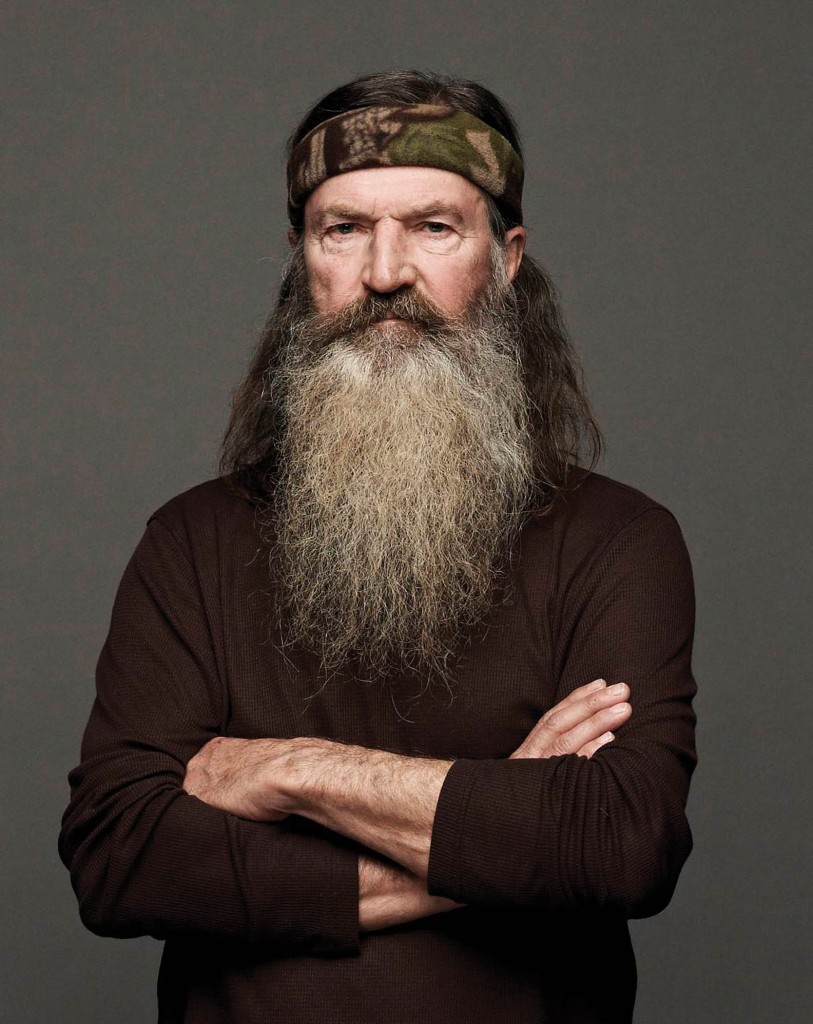 As everyone in the world now knows, Phil Robertson said in a magazine interview that he didn’t understand the attraction of gay sex. Even worse, he added that, while he wouldn’t presume to judge sexual behavior (or, rather, misbehavior), he had no doubt that God will do some judging. His words created a thought-police firestorm. Leading the charge was GLAAD, formerly known as the Gay & Lesbian Alliance Against Defamation.
It’s important to understand that GLAAD is not an advocacy group for LGBTQ rights. Advocacy groups are valued players in a free society. GLAAD is, instead, a thuggish organization that works by destroying people’s livelihoods if they fall afoul of its party line. Robert Oscar Lopez describes how GLAAD uses its tactics of blackmail and intimidation against anyone who suggests that there are downsides to the gay lifestyle or to the social and political agenda the gay lobby pushes. One doesn’t have to agree with Lopez to be shocked at GLAAD’s truly McCarthy-esque tactics. So again, the problem isn’t what GLAAD stands for; the problem is its bullying.
As part of its mission to purge people guilty of anything it deems a thought-crime, GLAAD monitors American speech for any statements about gay and lesbians. If this speech isn’t unabashed cheer-leading about the LGBTQ lifestyle, GLAAD instantly declares it “hate speech.” Then, instead of countering this so-called “hate speech” with more speech, GLAAD leads the charge to destroy the speaker. Up until last year, when GLAAD attacked a high-profile person or institution, its efforts resulted in one response and one response alone: craven retreat and abject apologies from the speaker.
Phil Robertson, however, refused to play GLAAD’s game, even when his employer, A&E, immediately caved and fired Phil. Ranking his God higher than GLAAD’s outrage, he didn’t even bother to mumble an apology for the fact that someone had hurt feelings. Instead, he stood firm and his family backed him up. It was A&E, rather than Robertson, who was forced to back down.
The Phil Robertson episode marked the first time that anyone in the public eye refused to let a Leftist thought-control organization bully him. At the time, I wondered whether, by doing so, Robertson would inspire others to take a stand — and perhaps he did. In first month of 2013, two stars have stood up to Leftist censors.
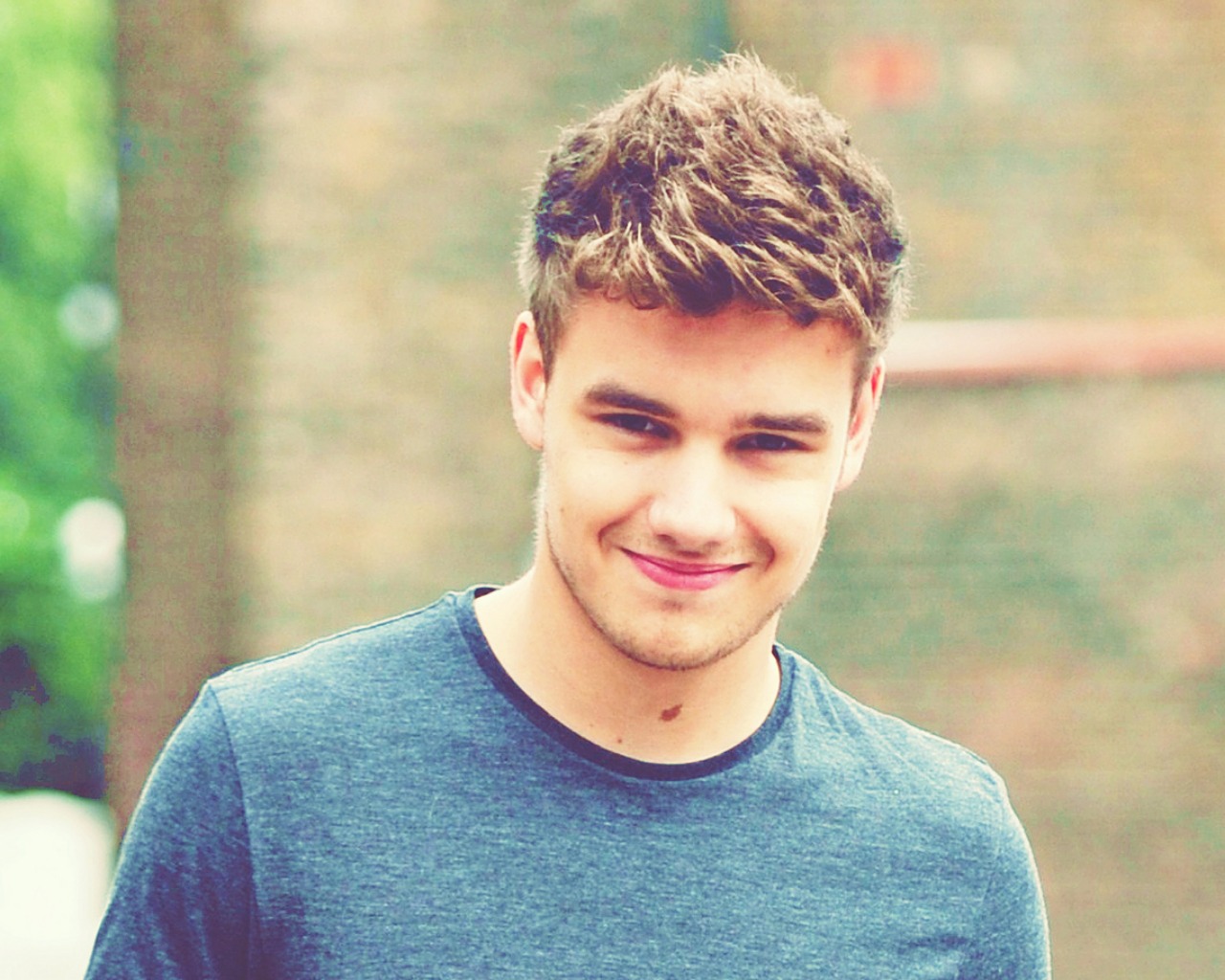 The first one to do so was Liam Payne, who belongs to the massively successful pop group One Direction. He sent out a tweet saying